Welcome to

Kathopokathan – Atit O Bartaman

Dedicated to Historical Research in Bengali and English Languages.
📖
Volume03
📄
Issue01
📅
Published On30 June 2026
🌐
LanguageBengali, English
🔁
FrequencyBi-Annual
📘
ISSN3139-0730
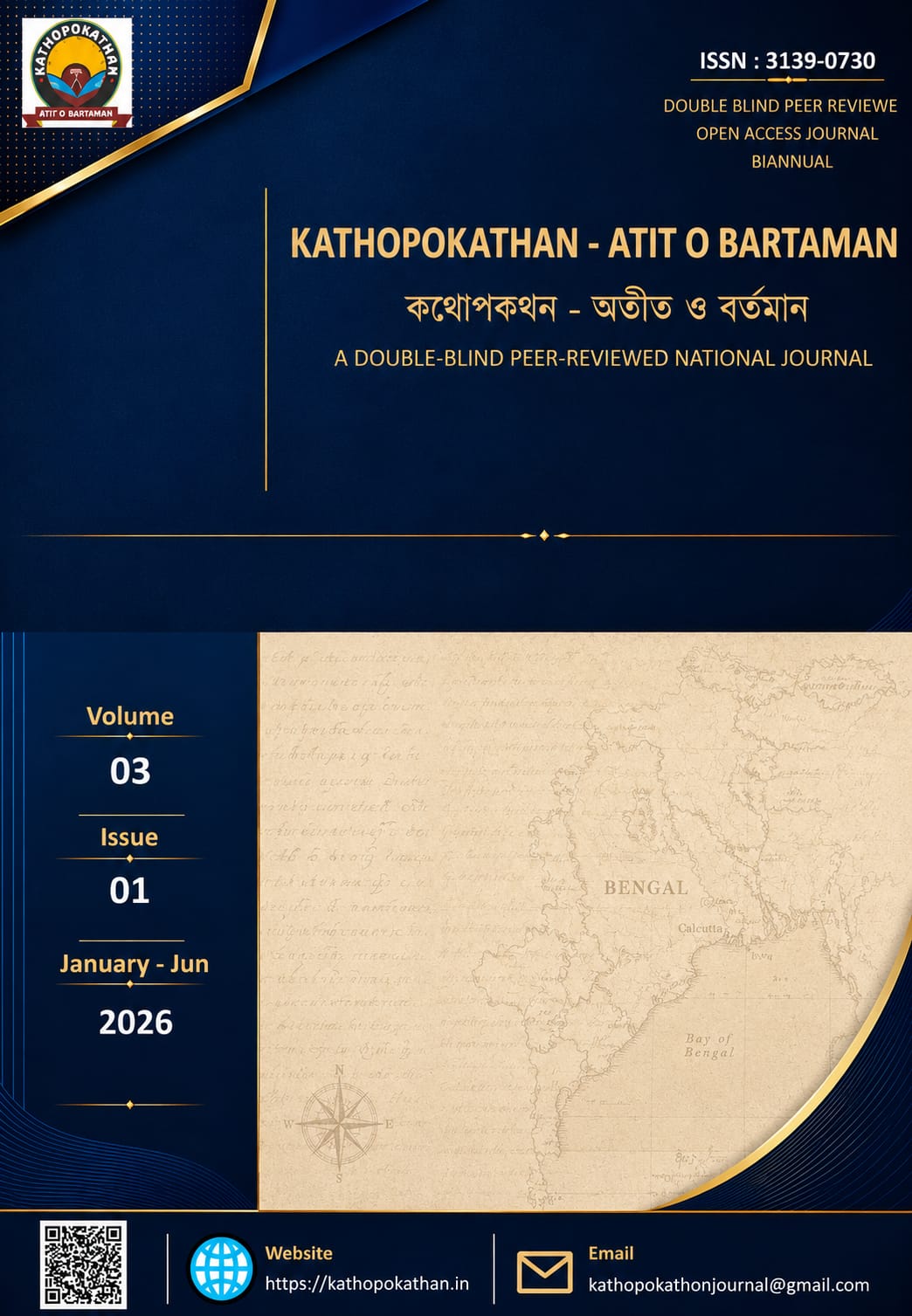
Kathopokathan Volume 03 Issue 01 Cover
🛡️

Peer Reviewed

All articles are double-blind peer reviewed for quality and authenticity.

🔓

Open Access

Free and open access to all published articles worldwide.

🏅

Quality Research

High quality research from various disciplines ensuring academic excellence.

🌍

Wide Readership

Read by researchers, academics and students from around the world.

No article found. Please search with correct Article Title or Article ID.
🏛️

Regional & Political History

This section explores regional histories, political transformations, state formation, resistance movements, and the contributions of historical personalities across different regions and periods.

Article Title: Pratapaditya, A Valorious Hero In Medieval Bengal. Author: Dr. Kartick Chandra Sutradhar. Article ID: KAB-V03-I01-2026-KS-009. Journal: Kathopokathan Atit O Bartaman. Volume 03 Issue 01 January June 2026. Publication Date: 30th June 2026. Language: English. Keywords: Pratapaditya, Harmad-pirates, Barabhuinyas, Mughal-Pathans, Saptagram, Jeshor.
Title of the article
:
Pratapaditya, A Valorious Hero In Medieval Bengal
Name of the author
:
Dr. Kartick Chandra Sutradhar
Article language
:
English
Publication date
:
30th June 2026
👁 View Article Details
Kathopokathan Logo

KATHOPOKATHAN - ATIT O BARTAMAN

DOUBLE-BLIND PEER-REVIEWED NATIONAL JOURNAL

Volume : 03, Issue : 01, (January - June) 2026

Published On 30th June 2026

ISSN : 3139-0730
CC
Article Id- KAB-V03-I01-2026-KS-009

Pratapaditya: A Valorous Hero in Medieval Bengal

Dr. Kartick Chandra Sutradhar

Associate Professor, Department of History, Cooch Behar Panchanan Barma University.


Abstract

Pratapaditya of Jessore was one of the most prominent regional rulers of medieval Bengal, remembered for his resistance to the Mughal expansion and his significant contribution to the political history of the region. Historical narratives have often emphasized the consolidation of Mughal authority in Bengal; however, several regional rulers offered determined resistance against imperial expansion. Among them, Maharaja Pratapaditya emerged as a courageous and influential leader who sought to preserve the independence of his kingdom through military strength, strategic leadership, and effective administration.

This study examines the life, political career, military campaigns, and administrative policies of Pratapaditya, with particular emphasis on his role in resisting Mughal authority. It also evaluates his contributions to public welfare, governance, religious patronage, and the protection of his kingdom from external threats, including the depredations of the Harmads. By critically analysing historical sources, the article reassesses Pratapaditya's place in the history of medieval Bengal and argues that his legacy extends beyond military resistance to include responsible governance and regional state-building. The study concludes that Pratapaditya occupies a significant position in the political and cultural history of Bengal and continues to inspire historical interest through his leadership, courage, and commitment to his kingdom.

Keywords: Pratapaditya, Harmad-pirates, Barabhuinyas, Mughal-Pathans, Saptagram, Jeshor.

Conflicts of Interest: The author declares no conflicts of interest.

Funding: No funding was received for this research.

Author Contributions: The author solely contributed to the conceptualization, analysis, and writing of this article.

Acknowledgements: No external funding or institutional support has been acknowledged by the author.

Article History: Received: 13th Jun 2026; Accepted: 18th Jun 2026; Published: 30th Jun 2026.

Author ORCID iD: Not Provided

Corresponding Author: Dr. Kartick Chandra Sutradhar (Email: ksutradhar77@gmail.com)

Language: English

SDG Focus: SDG 4: Quality Education; SDG 11: Sustainable Cities and Communities; SDG 16: Peace, Justice and Strong Institutions; SDG 17: Partnerships for the Goals.

Copyright: © 2026 by the author.

License: This work is licensed under a Creative Commons Attribution 4.0 International License (CC BY 4.0) https://creativecommons.org/licenses/by/4.0/

Published by: KATHOPOKATHAN – ATIT O BARTAMAN

Journal Website: https://kathopokathan.in/

Article URL: https://kathopokathan.in/article-06-2026/#KAB-V03-I01-2026-KS-009

Citation: Sutradhar, Kartick Chandra. (2026). Pratapaditya, A Valorious Hero In Medieval Bengal. Kathopokathan – Atit O Bartaman, Volume 03, Issue 01, pp. 1–9.

Article Title: Looking Back at the ABTA Movement of 1954. Author: Dr. Swati Maitra. Article ID: KAB-V03-I01-2026-DM-013. Journal: Kathopokathan Atit O Bartaman. Volume 03 Issue 01 January June 2026. Publication Date: 30th June 2026. Language: English. Keywords: ABTA, Chief Minister, General Secretary, President, Secondary teachers’ movement.
Title of the article
:
Looking Back at the ABTA Movement of 1954
Name of the author
:
Dr. Swati Maitra
Article language
:
English
Publication date
:
30th June 2026
👁 View Article Details
Kathopokathan Logo

KATHOPOKATHAN - ATIT O BARTAMAN

DOUBLE-BLIND PEER-REVIEWED NATIONAL JOURNAL

Volume : 03, Issue : 01, (January - June) 2026

Published On 30th June 2026

ISSN : 3139-0730
CC
Article Id- KAB-V03-I01-2026-DM-013

Looking Back at the ABTA Movement of 1954

Dr. Swati Maitra

Associate Professor, Department Of History, Vidyasagar Metropolitan College


Abstract

History was in the making when 23,000 secondary teachers went on strike for the first time in West Bengal from 10/02/1954- a strike staged by A.B.T.A to press home the teachers’ demands on the Government to implement the recommendations of the Board of Secondary Education in respect of teachers’ dearness allowance and salaries. Rioting and destruction of property took place, military were called out to aid the civil police, and Section 144 Cr.P.C. was imposed. The cease work movement ultimately was called off on 21/02/1954. This movement succeeded in raising the problem of education and of teachers’ rights to the level of a national issue.

Keywords: ABTA, Chief Minister, General Secretary, President, Secondary teachers’ movement.

Conflicts of Interest: The author declares no conflicts of interest.

Funding: No funding was received for this research.

Author Contributions: The author solely contributed to the conceptualization, analysis, and writing of this article.

Acknowledgements: The author has no acknowledgements to declare.

Article History: Received: 14th Jun 2026; Accepted: 19th Jun 2026; Published: 30th Jun 2026.

Author ORCID iD: Not Provided

Corresponding Author: Dr. Swati Maitra (Email: swatimaitra22@gmail.com)

Language: English

SDG Focus: SDG 4: Quality Education; SDG 8: Decent Work and Economic Growth; SDG 10: Reduced Inequalities; SDG 16: Peace, Justice and Strong Institutions.

Copyright: © 2026 by the author.

License: This work is licensed under a Creative Commons Attribution 4.0 International License (CC BY 4.0) https://creativecommons.org/licenses/by/4.0/

Published by: KATHOPOKATHAN – ATIT O BARTAMAN

Journal Website: https://kathopokathan.in/

Article URL: https://kathopokathan.in/article-06-2026/#KAB-V03-I01-2026-DM-013

Citation: Maitra, Swati. (2026). Looking Back at the ABTA Movement of 1954. Kathopokathan – Atit O Bartaman, VOLUME 03, ISSUE 01, pp. 1–9.

Article Title: আধুনিক কোচবিহারের রূপকার মহারাজা নৃপেন্দ্র নারায়ণ:একটি ঐতিহাসিক পর্যালোচনা. Author: কাঞ্চন বসুনীয়া; Kanchan Basunia. Article ID: KAB-V03-I01-2026-KB-010. Journal: Kathopokathan Atit O Bartaman. Volume 03 Issue 01 January June 2026. Publication Date: 30th June 2026. Language: Bengali. সূচক শব্দ: নৃপেন্দ্র নারায়ন, শিক্ষা- সংস্কৃতি, নবজাগরণ, স্থাপত্য, রাজপ্রাসাদ, আধুনিকীকরণ.
Title of the article
:
আধুনিক কোচবিহারের রূপকার মহারাজা নৃপেন্দ্র নারায়ণ:একটি ঐতিহাসিক পর্যালোচনা
Name of the author
:
কাঞ্চন বসুনীয়া
Article language
:
Bengali
Publication date
:
30th June 2026
👁 View Article Details
Kathopokathan Logo

KATHOPOKATHAN - ATIT O BARTAMAN

DOUBLE-BLIND PEER-REVIEWED NATIONAL JOURNAL

Volume : 03, Issue : 01, (January - June) 2026

Published On 30th June 2026

ISSN : 3139-0730

CC
Article Id- KAB-V03-I01-2026-KB-010

আধুনিক কোচবিহারের রূপকার মহারাজা নৃপেন্দ্র নারায়ণ:একটি ঐতিহাসিক পর্যালোচনা

কাঞ্চন বসুনীয়া

গবেষক, ইতিহাস বিভাগ, কোচবিহার পঞ্চনন বর্মা বিশ্ববিদ্যালয়


সারসংক্ষেপ

মহারাজা নৃপেন্দ্র নারায়ণ (১৮৬৩–১৯১১) কোচবিহার রাজ্যের অন্যতম প্রগতিশীল ও দূরদর্শী শাসক, যার শাসনকাল কোচবিহারের ইতিহাসে আধুনিকায়ন, সামাজিক সংস্কার এবং শিক্ষার বিকাশের এক স্বর্ণযুগ হিসেবে বিবেচিত। তিনি অল্প বয়সে সিংহাসনে আরোহণ করলেও ব্রিটিশ প্রশাসনিক ব্যবস্থার ইতিবাচক দিকগুলিকে গ্রহণ করে দেশীয় ঐতিহ্যের সঙ্গে সমন্বয় সাধনের মাধ্যমে একটি আধুনিক ও সুশাসিত রাজ্য গঠনের প্রয়াস নেন। তাঁর শাসনামলে গণশিক্ষা, নারীশিক্ষা ও উচ্চশিক্ষার উল্লেখযোগ্য প্রসার ঘটে। ভিক্টোরিয়া কলেজ (বর্তমান আচার্য ব্রজেন্দ্রনাথ শীল কলেজ), সুনীতি কলেজ (বর্তমান সুনীতি একাডেমি) এবং দিনহাটা, মাথাভাঙ্গা ও মেখলিগঞ্জে উচ্চ ইংরেজি বিদ্যালয় প্রতিষ্ঠার মাধ্যমে তিনি শিক্ষাক্ষেত্রে যুগান্তকারী অবদান রাখেন। পাশাপাশি স্বাস্থ্যসেবা, রেলপথ, বিশুদ্ধ পানীয় জল, প্রশাসনিক সংস্কার এবং জনকল্যাণমূলক বিভিন্ন উদ্যোগের মাধ্যমে কোচবিহারকে একটি আধুনিক রাজ্যে পরিণত করেন। সামাজিক সংস্কারের ক্ষেত্রে তিনি রাজপরিবারে বহুবিবাহ প্রথা নিষিদ্ধ, দাসপ্রথা বিলুপ্ত এবং সমাজে প্রগতিশীল মূল্যবোধ প্রতিষ্ঠায় গুরুত্বপূর্ণ ভূমিকা পালন করেন। শিল্প, সাহিত্য ও স্থাপত্যের পৃষ্ঠপোষক হিসেবে ১৮৮৭ সালে কোচবিহার রাজপ্রাসাদ এবং ১৮৮৯ সালে মদনমোহন মন্দির নির্মাণ তাঁর নান্দনিক দৃষ্টিভঙ্গির পরিচায়ক। এই সমগ্র উন্নয়ন কর্মকাণ্ডে মহারাণী সুনীতি দেবীর সহযোগিতাও বিশেষভাবে উল্লেখযোগ্য। প্রবন্ধটিতে মহারাজা নৃপেন্দ্র নারায়ণের শাসনকাল, আধুনিক রাষ্ট্রগঠন, শিক্ষা ও সমাজসংস্কার, সাংস্কৃতিক বিকাশ এবং কোচবিহারের সামগ্রিক রূপান্তরে তাঁর ঐতিহাসিক অবদান বিশ্লেষণ করা হয়েছে।

সূচক শব্দ: নৃপেন্দ্র নারায়ন, শিক্ষা- সংস্কৃতি, নবজাগরণ, স্থাপত্য, রাজপ্রাসাদ, আধুনিকীকরণ

Conflicts of Interest: The author declares no conflicts of interest.

Funding: No funding was received for this research.

Author Contributions: The author solely contributed to the conceptualization, analysis, and writing of this article.

Acknowledgements: The author has no acknowledgements to declare.

Article History: Received: 29th May 2026; Accepted: 2nd Jun 2026; Published: 30th Jun 2026.

Author ORCID iD: https://orcid.org/0009-0008-5008-7649

Corresponding Author: Kanchan Basunia (Email: kanchanbasunia94@gmail.com)

Language: Bengali

SDG Focus: SDG 4: Quality Education; SDG 5: Gender Equality; SDG 11: Sustainable Cities and Communities; SDG 16: Peace, Justice and Strong Institutions.

Copyright: © 2026 by the author.

License: This work is licensed under a Creative Commons Attribution 4.0 International License (CC BY 4.0) https://creativecommons.org/licenses/by/4.0/

Published by: KATHOPOKATHAN – ATIT O BARTAMAN

Journal Website: https://kathopokathan.in/

Article URL: https://kathopokathan.in/article-06-2026/#KAB-V03-I01-2026-KB-010

Citation: Basunia, Kanchan. (2026). আধুনিক কোচবিহারের রূপকার মহারাজা নৃপেন্দ্র নারায়ণ:একটি ঐতিহাসিক পর্যালোচনা. Kathopokathan – Atit O Bartaman, VOLUME 03, ISSUE 01, pp. 1–7.

Article Title: ত্রিপুরার কৃষক ও উপজাতীয় বিদ্রোহ (১৮৪৪–১৮৯০) : একটি ঐতিহাসিক বিশ্লেষণ. Author: অরুণিমা ভট্টাচার্য; Arunima Bhattacharya. Article ID: KAB-V03-I01-2026-AB-008. Journal: Kathopokathan Atit O Bartaman. Volume 03 Issue 01 January June 2026. Publication Date: 30th June 2026. Language: Bengali. সূচক শব্দ: ত্রিপুরা, কৃষক বিদ্রোহ, কুকি, উপজাতীয় প্রতিরোধ, ঔপনিবেশিক শাসন, ঝুম চাষ, সামন্ততন্ত্র, কৃষক আন্দোলন.
Title of the article
:
ত্রিপুরার কৃষক ও উপজাতীয় বিদ্রোহ (১৮৪৪–১৮৯০) : একটি ঐতিহাসিক বিশ্লেষণ
Name of the author
:
অরুণিমা ভট্টাচার্য
Article language
:
Bengali
Publication date
:
30th June 2026
👁 View Article Details
Kathopokathan Logo

KATHOPOKATHAN - ATIT O BARTAMAN

DOUBLE-BLIND PEER-REVIEWED NATIONAL JOURNAL

Volume : 03, Issue : 01, (January - June) 2026

Published On 30th June 2026

ISSN : 3139-0730

CC
Article Id- KAB-V03-I01-2026-AB-008

ত্রিপুরার কৃষক ও উপজাতীয় বিদ্রোহ (১৮৪৪–১৮৯০) : একটি ঐতিহাসিক বিশ্লেষণ

অরুণিমা ভট্টাচার্য

স্বাধীন গবেষক; প্রাক্তনী, ইতিহাস বিভাগ, বিদ্যাসাগর বিশ্ববিদ্যালয়


সারসংক্ষেপ

ত্রিপুরা রাজ্য ও তার পার্শ্ববর্তী পার্বত্য অঞ্চলে বহু প্রাচীন উপজাতি ও মিশ্র উপজাতির বসবাসস্থল ছিল। ত্রিপুরা রাজ্যে প্রথম দিকে ত্রিপুর রাজবংশ প্রাচীন উপজাতি গোষ্ঠীগুলোকে নিজেদের স্বার্থে শোষণ এবং শাসন করতো। পরবর্তীকালে এই রাজবংশগুলোর সাথে যুক্ত হয়েছিল ইংরেজ শাসনের অকথ্য অত্যাচার, বাঙালি বণিকদের শোষণ ও উৎপীড়ন। এই শাসন শোষণ, অত্যাচার সহ্য করতে না পেরে এই উপজাতিগোষ্ঠীগুলো বিদ্রোহকে একমাত্র স্বাধীনতার পথ হিসেবে বেছে নিয়েছিল। প্রথমদিকে ধনী ব্যক্তিরাই নিজেদের স্বার্থসিদ্ধির জন্য এখানকার কুকি উপজাতি গোষ্ঠীগুলোকে ব্যবহার করত। কুকিরা যখন সামন্ত প্রভুদের নাগ পাশে আবদ্ধ হয়ে যাচ্ছিল তখন তারা বরংবার কৃষক বিদ্রোহ করেছিল। বিদ্রোহের তীব্রতা এতখানি ছিল যে ইংরেজ সরকার বাধ্য হয়েছিল বঙ্গদেশ থেকে কুকি অঞ্চলকে পৃথক করতে। প্রাচীন উপজাতিরা নিজেদের স্বাধীনতা ফিরিয়ে আনার জন্য বরংবার বিদ্রোহী হয়ে ওঠে। তারা নানা গ্রাম লুঠ করতো, গ্রাম গুলো জ্বালিয়ে পুড়িয়ে ছারখার করে দিত, ইংরেজ সৈন্যদের সাথে যুদ্ধে লিপ্ত হত, ইংরেজ সরকারের কর্মচারীদের হত্যা করত। যতদিন পর্যন্ত ইংরেজ শাসন ভারতে বিদ্যমান ছিল ততদিন পর্যন্ত কম-বেশি কৃষক বিদ্রোহ ঘটেছে। ত্রিপুরার এই উপজাতিগোষ্ঠীর বিদ্রোহের কাহিনী নিম্নোক্ত প্রবন্ধে আলোচনা করা হলো।

সূচক শব্দ: ত্রিপুরা, কৃষক বিদ্রোহ, কুকি, উপজাতীয় প্রতিরোধ, ঔপনিবেশিক শাসন, ঝুম চাষ, সামন্ততন্ত্র, কৃষক আন্দোলন

Conflicts of Interest: The author declares no conflicts of interest.

Funding: No funding was received for this research.

Author Contributions: The author solely contributed to the conceptualization, analysis, and writing of this article.

Acknowledgements: The author has no acknowledgements to declare.

Article History: Received: 14th May 2026; Accepted: 19th Jun 2026; Published: 30th Jun 2026.

Author ORCID iD: https://orcid.org/0009-0005-8218-541X

Corresponding Author: Arunima Bhattacharya (Email: arunimabhattacharya19@gmail.com)

Language: Bengali

SDG Focus: SDG 1: No Poverty; SDG 10: Reduced Inequalities; SDG 15: Life on Land; SDG 16: Peace, Justice and Strong Institutions.

Copyright: © 2026 by the author.

License: This work is licensed under a Creative Commons Attribution 4.0 International License (CC BY 4.0) https://creativecommons.org/licenses/by/4.0/

Published by: KATHOPOKATHAN – ATIT O BARTAMAN

Journal Website: https://kathopokathan.in/

Article URL: https://kathopokathan.in/article-06-2026/#KAB-V03-I01-2026-AB-008

Citation: Bhattacharya, Arunima. (2026). ত্রিপুরার কৃষক ও উপজাতীয় বিদ্রোহ (১৮৪৪–১৮৯০) : একটি ঐতিহাসিক বিশ্লেষণ. Kathopokathan – Atit O Bartaman, VOLUME 03, ISSUE 01, pp. 1–10.

Article Title: নীল বিদ্রোহ ১৮৮৯ : যশোহর জেলার প্রেক্ষিতে একটি আলোচনা. Author: স্বপন দাস; Swapan Das. Article ID: KAB-V03-I01-2026-SD-017. Journal: Kathopokathan Atit O Bartaman. Volume 03 Issue 01 January June 2026. Publication Date: 30th June 2026. Language: Bengali. সূচক শব্দ: যশোহর, নীলকুঠি, নীলকর সাহেব, কৃষক, বিদ্রোহ, অত্যাচার.
Title of the article
:
নীল বিদ্রোহ ১৮৮৯ : যশোহর জেলার প্রেক্ষিতে একটি আলোচনা
Name of the author
:
স্বপন দাস
Article language
:
Bengali
Publication date
:
30th June 2026
👁 View Article Details
Kathopokathan Logo

KATHOPOKATHAN - ATIT O BARTAMAN

DOUBLE-BLIND PEER-REVIEWED NATIONAL JOURNAL

Volume : 03, Issue : 01, (January - June) 2026

Published On 30th June 2026

ISSN : 3139-0730

CC
Article Id- KAB-V03-I01-2026-SD-017

নীল বিদ্রোহ ১৮৮৯ : যশোহর জেলার প্রেক্ষিতে একটি আলোচনা

স্বপন দাস

প্রাক্তনী, ইতিহাস বিভাগ, বিদ্যাসাগর বিশ্ববিদ্যালয়; স্বাধীন গবেষক


সারসংক্ষেপ

১৮৬০ খ্রিস্টাব্দে নীল কমিশনের প্রদত্ত রিপোর্ট অনুসারে নীল চাষিরা বাধ্যতামূলকভাবে নীল চাষের হাত থেকে অব্যাহতি পেল। ফলে বাংলার প্রায় সমস্ত জেলা থেকে নীলকুঠি গুলি বিলুপ্ত হলেও উত্তর বঙ্গের যশোহর জেলায় কয়েকটি নীলকুঠি মোটামুটি ভাবে চলছিল। কিন্তু সময়ের সাথে সাথে ওই নীলকুঠির সাহেবরা পূর্বের স্মৃতি থেকে বিস্মৃত হয়ে পুনরায় কৃষকদের উপর অত্যাচার করতে শুরু করে। অত্যাচারের ফলে যশোর জেলার বিজলিয়া কুঠির অধীনস্থ ৪৮ টি গ্রামের কৃষকেরা সংঘবদ্ধ হয়ে ইংরেজ নীলকর সাহেবদের বিরুদ্ধে ১৮৮৯ খ্রিস্টাব্দের মধ্যে আবার বিদ্রোহী হয়ে ওঠে। দ্বিতীয় পর্যায়ের এই বিদ্রোহে শুধুমাত্র কৃষক শ্রেণি নয় তাদের সাথে শিক্ষিত মধ্যবিত্ত শ্রেণি এবং জমিদারদের মিলিত প্রয়াসের ফলে শেষ পর্যন্ত নীলকর সাহেবদের এই নীলকুঠি ও নীলের ব্যবসা চিরতরে অবলুপ্ত করতে সক্ষম হয়েছিল। নিম্নোক্ত প্রবন্ধে এই বিষয়ে বিস্তৃতভাবে আলোচনা করা হলো।

সূচক শব্দ : যশোহর, নীলকুঠি, নীলকর সাহেব, কৃষক, বিদ্রোহ, অত্যাচার

Conflicts of Interest: The author declares no conflicts of interest.

Funding: No funding was received for this research.

Author Contributions: The author solely contributed to the conceptualization, analysis, and writing of this article.

Acknowledgements: The author has no acknowledgements to declare.

Article History: Received: 15th May 2026; Accepted: 7th Jun 2026; Published: 30th Jun 2026.

Author ORCID iD: https://orcid.org/0009-0001-6952-1942

Corresponding Author: Swapan Das (Email: talktoswapan2023@gmail.com)

Language: Bengali

SDG Focus: SDG 1: No Poverty; SDG 8: Decent Work and Economic Growth; SDG 10: Reduced Inequalities; SDG 16: Peace, Justice and Strong Institutions.

Copyright: © 2026 by the author.

License: This work is licensed under a Creative Commons Attribution 4.0 International License (CC BY 4.0) https://creativecommons.org/licenses/by/4.0/

Published by: KATHOPOKATHAN – ATIT O BARTAMAN

Journal Website: https://kathopokathan.in/

Article URL: https://kathopokathan.in/article-06-2026/#KAB-V03-I01-2026-SD-017

Citation: Das, Swapan. (2026). নীল বিদ্রোহ ১৮৮৯ : যশোহর জেলার প্রেক্ষিতে একটি আলোচনা. Kathopokathan – Atit O Bartaman, VOLUME 03, ISSUE 01, pp. 1–7.

🎭️

Social & Cultural History

This section highlights social life, folk traditions, indigenous communities, cultural heritage, customs, rituals, and the historical evolution of everyday society.

Article Title: Religious Beliefs and Customs of Rajbanshi’s of Cooch Behar. Author: Manik Barman. Article ID: KAB-V03-I01-2026-MB-016. Journal: Kathopokathan Atit O Bartaman. Volume 03 Issue 01 January June 2026. Publication Date: 30th June 2026. Language: English. Keywords: Ethnobotany, Displacement, Resilience, Syncretism, Autonomy, Syncretism, Marginalisation.
Title of the article
:
Religious Beliefs and Customs of Rajbanshi’s of Cooch Behar
Name of the author
:
Manik Barman
Article language
:
English
Publication date
:
30th June 2026
👁 View Article Details
Kathopokathan Logo

KATHOPOKATHAN - ATIT O BARTAMAN

DOUBLE-BLIND PEER-REVIEWED NATIONAL JOURNAL

Volume : 03, Issue : 01, (January - June) 2026

Published On 30th June 2026

ISSN : 3139-0730

CC
Article Id- KAB-V03-I01-2026-MB-016

Religious Beliefs and Customs of Rajbanshi’s of Cooch Behar

Manik Barman

PG student, Department of History, Coochbehar Panchanan Barma university


Abstract

This paper critically examines the historical evolution, cultural transformation, and socio-political resilience of the indigenous Rajbanshi community across the Tista–Brahmaputra valley, encompassing North Bengal, Lower Assam, Bangladesh, and Nepal. It explores the historical processes through which a once politically influential community gradually became socially and economically marginalized. Adopting a multidisciplinary approach, the study integrates historical sources, historical geography, ethnographic evidence, and indigenous knowledge to analyse the community's religious practices, colonial classifications, and the long-term consequences of the Partition of 1947. Particular attention is given to the Rajbanshis' distinctive cosmology, including the localization of Lord Shiva, the cult of the Masan spirits, and indigenous fertility rituals such as Hudum Deo and Bas Puja, which reflect the interaction between local traditions and Brahmanical influences. The paper further investigates the impact of the Kshatriya movement, processes of Sanskritization, changing gender relations, land alienation, linguistic marginalization, and the emergence of Kamtapur regional identity movements. It argues that despite prolonged experiences of displacement, cultural assimilation, and socio-political exclusion, the Rajbanshi community has demonstrated remarkable resilience in preserving its cultural heritage and collective identity. The study concludes that understanding the historical experiences of the Rajbanshis is essential for broader discussions on indigenous identity, cultural preservation, social justice, and regional history in eastern South Asia.

Keywords: Ethnobotany, Displacement, Resilience, Syncretism, Autonomy, Syncretism, Marginalisation.

Conflicts of Interest: The author declares no conflicts of interest.

Funding: No funding was received for this research.

Author Contributions: The author solely contributed to the conceptualization, analysis, and writing of this article.

Acknowledgements: The author has no acknowledgements to declare.

Article History: Received: 15th May 2026; Accepted: 7th Jun 2026; Published: 30th Jun 2026.

Author ORCID iD: https://orcid.org/0009-0008-5008-7649

Corresponding Author: Manik Barman (Email: bmanik003@gmail.com)

Language: English

SDG Focus: SDG 5: Gender Equality; SDG 10: Reduced Inequalities; SDG 11: Sustainable Cities and Communities; SDG 16: Peace, Justice and Strong Institutions.

Copyright: ©2026 by the author.

License: This work is licensed under a Creative Commons Attribution 4.0 International License (CC BY 4.0) https://creativecommons.org/licenses/by/4.0/

Published by: KATHOPOKATHAN – ATIT O BARTAMAN

Journal Website: https://kathopokathan.in/

Article URL: https://kathopokathan.in/article-06-2026/#KAB-V03-I01-2026-MB-016

Citation: Barman, Manik. (2026). Religious Beliefs and Customs of Rajbanshi’s of Cooch Behar. Kathopokathan – Atit O Bartaman, VOLUME 03, ISSUE 01, pp. 1–10.

Article Title: Bauls Of Bengal And The Musical Instruments Used In Their Songs. Author: Mahuya Baul. Article ID: KAB-V03-I01-2026-MB-003. Journal: Kathopokathan Atit O Bartaman. Volume 03 Issue 01 January June 2026. Publication Date: 30th June 2026. Language: English. Keywords: Baul, Bengal, Folk Music, Musical Instruments, Spirituality, Ektara, Dotara, Cultural Heritage.
Title of the article
:
Bauls Of Bengal And The Musical Instruments Used In Their Songs
Name of the author
:
Mahuya Baul
Article language
:
English
Publication date
:
30th June 2026
👁 View Article Details
Kathopokathan Logo

KATHOPOKATHAN - ATIT O BARTAMAN

DOUBLE-BLIND PEER-REVIEWED NATIONAL JOURNAL

Volume : 03, Issue : 01, (January - June) 2026

Published On 30th June 2026

ISSN : 3139-0730

CC
Article Id- KAB-V03-I01-2026-MB-003

Bauls Of Bengal And The Musical Instruments Used In Their Songs

Mahuya Baul

Research Scholar


Abstract

Baul songs are among the most distinctive and cherished forms of folk music in Bengal. They are performed by the Bauls, a group of mystic minstrels who pursue spiritual truth through love, humanity, and inner realization. Baul music is not merely a form of entertainment; it represents a way of life and serves as a medium for expressing profound philosophical and spiritual ideas. These songs emphasize the significance of the human soul, universal brotherhood, and the search for the divine within oneself rather than through rituals and formal religious practices. The language of Baul songs is simple yet deeply meaningful. Their lyrics are inspired by everyday life and enriched with symbolic expressions that convey spiritual messages. Thus, Baul songs reflect the rich spiritual and cultural heritage of Bengal. Music plays a vital role in Baul performances, and a variety of traditional musical instruments are used to accompany the songs. This article discusses the different types of instruments employed in Baul music and examines their role in enhancing the musical and spiritual dimensions of Baul performances. Through their songs and instruments, the Bauls continue to inspire people with messages of peace, love, harmony, and universal brotherhood.

Keywords: Baul, Bengal, Folk Music, Musical Instruments, Spirituality, Ektara, Dotara, Cultural Heritage.

Conflicts of Interest: The author declares no conflicts of interest.

Funding: No funding was received for this research.

Author Contributions: The author solely contributed to the conceptualization, analysis, and writing of this article.

Acknowledgements: The author sincerely acknowledges the valuable guidance and constructive suggestions received from teachers, scholars, and researchers during the preparation of this article. Their insights significantly contributed to improving the quality of this study.

Article History: Received: 11th Jun 2026; Accepted: 15th Jun 2026; Published: 30th Jun 2026.

Author ORCID iD: Not Provided

Corresponding Author: Mahuya Baul (Email: mahuyabaul@gmail.com)

Language: English

SDG Focus: SDG 4: Quality Education; SDG 11: Sustainable Cities and Communities; SDG 16: Peace, Justice and Strong Institutions; SDG 17: Partnerships for the Goals.

Copyright: ©2026 by the author.

License: This work is licensed under a Creative Commons Attribution 4.0 International License (CC BY 4.0) https://creativecommons.org/licenses/by/4.0/

Published by: KATHOPOKATHAN – ATIT O BARTAMAN

Journal Website: https://kathopokathan.in/

Article URL: https://kathopokathan.in/article-06-2026/#KAB-V03-I01-2026-MB-003

Citation: Baul, Mahuya. (2026). Bauls Of Bengal And The Musical Instruments Used In Their Songs. Kathopokathan – Atit O Bartaman, VOLUME 03, ISSUE 01, pp. 1–8.

Article Title: নাচনি সম্প্রদায়ের সামাজিক সঙ্কট ও নতুন আলোকে উত্তরণ: একবিংশ শতাব্দীর প্রেক্ষিতে একটি আলোচনা. Author: আহ্লাদ চন্দ্র মাহাত. Alhad Chandra Mahato. Article ID: KAB-V03-I01-2026-AM-005. Journal: Kathopokathan Atit O Bartaman. Volume 03 Issue 01 January June 2026. Publication Date: 30th June 2026. Language: Bengali. সূচক শব্দ: নাচনি সম্প্রদায়, সঙ্ঘবদ্ধ, দাবিসমূহ, জনপ্রিয়তা, শিল্পী, আইন-অনুশাসন, দৃষ্টিভঙ্গি
Title of the article
:
নাচনি সম্প্রদায়ের সামাজিক সঙ্কট ও নতুন আলোকে উত্তরণ: একবিংশ শতাব্দীর প্রেক্ষিতে একটি আলোচনা
Name of the author
:
আহ্লাদ চন্দ্র মাহাত
Article language
:
Bengali
Publication date
:
30th June 2026
👁 View Article Details
Kathopokathan Logo

KATHOPOKATHAN - ATIT O BARTAMAN

DOUBLE-BLIND PEER-REVIEWED NATIONAL JOURNAL

Volume : 03, Issue : 01, (January - June) 2026

Published On 30th June 2026

ISSN : 3139-0730

CC
Article Id- KAB-V03-I01-2026-AM-005

নাচনি সম্প্রদায়ের সামাজিক সঙ্কট ও নতুন আলোকে উত্তরণ: একবিংশ শতাব্দীর প্রেক্ষিতে একটি আলোচনা

আহ্লাদ চন্দ্র মাহাত

গবেষক, ইতিহাস বিভাগ, সিধো-কানহো-বিরসা বিশ্ববিদ্যালয়


সারসংক্ষেপ

মানভূম অঞ্চলের লোকসংস্কৃতির এক গুরুত্বপূর্ণ ও প্রাচীন উপাদান হলো নাচনি সম্প্রদায়। একসময় আঞ্চলিক সামন্ত রাজা ও জমিদারদের পৃষ্ঠপোষকতায় নাচনিরা বিশেষ মর্যাদা ও জনপ্রিয়তা অর্জন করলেও জমিদারি প্রথার অবসানের পর তাঁদের সামাজিক ও অর্থনৈতিক অবস্থার দ্রুত অবনতি ঘটে। পৃষ্ঠপোষকতার অভাব, দারিদ্র্য, সামাজিক কুসংস্কার এবং পুরুষতান্ত্রিক মানসিকতার কারণে তাঁরা দীর্ঘকাল ধরে অবহেলা, শোষণ ও সামাজিক লাঞ্ছনার শিকার হন। সমাজে তাঁদের পরিচয় শিল্পীর পরিবর্তে প্রায়শই এক নেতিবাচক দৃষ্টিভঙ্গির মাধ্যমে মূল্যায়িত হতো, যার ফলে তাঁদের ব্যক্তিগত ও পারিবারিক জীবনও অনিশ্চয়তা ও নিরাপত্তাহীনতায় আবদ্ধ ছিল। একবিংশ শতাব্দীর সূচনালগ্নে এই প্রান্তিক শিল্পীসমাজ নিজেদের অধিকার, মর্যাদা ও সামাজিক স্বীকৃতির দাবিতে সংগঠিত আন্দোলনের পথে এগিয়ে আসে। তাঁদের এই আত্মপ্রকাশ ও সংগ্রামের ফলে সরকারি প্রশাসন, বিভিন্ন বেসরকারি সংস্থা, সাংস্কৃতিক সংগঠন এবং গণমাধ্যম নাচনি শিল্পীদের সমস্যা ও সম্ভাবনার প্রতি দৃষ্টি নিবদ্ধ করে। এর ফলস্বরূপ তাঁরা ‘লোকশিল্পী’ হিসেবে প্রাতিষ্ঠানিক স্বীকৃতি লাভ করেন এবং সামাজিক গ্রহণযোগ্যতার ক্ষেত্রও ক্রমশ প্রসারিত হয়। অতীতে যেসব সামাজিক বিধিনিষেধ ও মানসিক প্রতিবন্ধকতা তাঁদের জীবনকে সংকুচিত করেছিল, তার অনেকটাই দূর হয়েছে। বর্তমানে নাচনিরা বিভিন্ন সামাজিক ও সাংস্কৃতিক অনুষ্ঠানে স্বাভাবিকভাবে অংশগ্রহণ করছেন এবং তাঁদের শিল্পচর্চা নতুন মর্যাদা অর্জন করেছে। এই প্রবন্ধে নাচনি সম্প্রদায়ের অধিকার আন্দোলন, সামাজিক অবস্থানের পরিবর্তন, সাংস্কৃতিক পুনর্মূল্যায়ন এবং জীবনযাত্রার বহুমুখী ইতিবাচক রূপান্তরকে সমকালীন প্রেক্ষাপটে বিশ্লেষণ করা হয়েছে।

সূচক শব্দ : নাচনি সম্প্রদায়, সঙ্ঘবদ্ধ, দাবিসমূহ, জনপ্রিয়তা, শিল্পী, আইন-অনুশাসন, দৃষ্টিভঙ্গি

Conflicts of Interest: The author declares no conflicts of interest.

Funding: No funding was received for this research.

Author Contributions: The author solely contributed to the conceptualization, analysis, and writing of this article.

Acknowledgements: No external funding or institutional support has been acknowledged by the author.

Article History: Received: 31st May 2026; Accepted: 7th Jun 2026; Published: 30th Jun 2026.

Author ORCID iD: Not Provided

Corresponding Author: Alhad Chandra Mahato (Email: alhadmahato1@gmail.com)

Language: Bengali

SDG Focus: SDG 5: Gender Equality; SDG 8: Decent Work and Economic Growth; SDG 10: Reduced Inequalities; SDG 11: Sustainable Cities and Communities.

Copyright: © 2026 by the author.

License: This work is licensed under a Creative Commons Attribution 4.0 International License (CC BY 4.0) https://creativecommons.org/licenses/by/4.0/

Published by: KATHOPOKATHAN – ATIT O BARTAMAN

Journal Website: https://kathopokathan.in/

Article URL: https://kathopokathan.in/article-06-2026/#KAB-V03-I01-2026-AM-005

Citation: Mahato, Alhad Chandra. (2026). নাচনি সম্প্রদায়ের সামাজিক সঙ্কট ও নতুন আলোকে উত্তরণ: একবিংশ শতাব্দীর প্রেক্ষিতে একটি আলোচনা. Kathopokathan – Atit O Bartaman, VOLUME 03, ISSUE 01, pp. 1–6.

Article Title: রাজবংশী সমাজের ভাওয়াইয়া লোকসঙ্গীত এবং সমাজে এর প্রভাব. Author: সুব্রত সরকার. Subrata Sarkar. Article ID: KAB-V03-I01-2026-SS-011. Journal: Kathopokathan Atit O Bartaman. Volume 03 Issue 01 January June 2026. Publication Date: 30th June 2026. Language: Bengali. সূচক শব্দ: ভাওয়াইয়া, লোকসংস্কৃতি, কোচবিহার, উত্তরবঙ্গ, গোয়ালপাড়া, রংপুর
Title of the article
:
রাজবংশী সমাজের ভাওয়াইয়া লোকসঙ্গীত এবং সমাজে এর প্রভাব
Name of the author
:
সুব্রত সরকার
Article language
:
Bengali
Publication date
:
30th June 2026
👁 View Article Details
Kathopokathan Logo

KATHOPOKATHAN - ATIT O BARTAMAN

DOUBLE-BLIND PEER-REVIEWED NATIONAL JOURNAL

Volume : 03, Issue : 01, (January - June) 2026

Published On 30th June 2026

ISSN : 3139-0730

CC
Article Id- KAB-V03-I01-2026-SS-011

রাজবংশী সমাজের ভাওয়াইয়া লোকসঙ্গীত এবং সমাজে এর প্রভাব

সুব্রত সরকার

গবেষক, ইতিহাস বিভাগ, কোচবিহার পঞ্চানন বর্মা বিশ্ববিদ্যালয়


সারসংক্ষেপ

লোকসংস্কৃতি লোকায়ত মানব সমাজের মানসচর্চা এবং সামগ্রিক কর্মপ্রয়াসের এমন এক সফল অভিব্যক্তি যা কোনো দেশের বা অঞ্চলের জনগোষ্ঠীর চলমান জীবনধারাকে সুসংহত দান করে। তাদের চিন্তা-ভাবনা, আচার-আচরণ, বিশ্বাস-সংস্কার সমস্ত কিছুর মধ্যে প্রতিফলন ঘটে সর্বাধিক চেতনার আলো। সেই রকমই ভাওয়াইয়া সঙ্গীত রাজবংশী জীবনের আয়না। বাংলার সাহিত্য সম্পদ সৃষ্টিতে অবিভক্ত উত্তরবঙ্গের জেলাগুলোর অবদানসমূহের মধ্যে অন্যতম উক্ত জেলার লোকসংগীত 'ভাওয়াইয়া'। ভাওয়াইয়া আজ সারা পৃথিবীতে একটি সমৃদ্ধ লোকসংগীত এর ধারা হিসেবে পরিচিত। আজকের 'আধুনিক' 'লোকসংগীত'-এর মতো কোনও একপ্রকার সংগীত হলো ভাওয়াইয়া। অন্যভাবে বলতে গেলে, ভারতের প্রাদেশিক ভাষার গান মাত্রই হল 'দেশি' গান। বিবর্তনের মাধ্যমে এই 'দেশি' সংগীত থেকেই উদ্ভুত হয়েছে লোকসংগীত। লোকসংগীত অধিকাংশ সময়েই আঞ্চলিক। কিন্তু বিষয়, ভাব ও সুর মাধুর্যের গুণে তা বিশেষ অঞ্চলের সীমা অতিক্রম করে। কোচবিহারের তথা জলপাইগুড়ি, দার্জিলিং, রংপুর, গোয়ালপাড়া ও দিনাজপুর অঞ্চলের ভাওয়াইয়ার ক্ষেত্রেও এ-কথা প্রযোজ্য। ভাওয়াইয়ার উদ্ভব যেভাবেই হোক না কেন ভাইওয়াইয়া কোচবিহারে তথা সমগ্র উত্তরবঙ্গ, নিম্ন অসম ও বাংলাদেশে জনপ্রিয় লোকসংগীত রূপে প্রতিষ্ঠা লাভকরেছে। ভাওয়াইয়া লোকসঙ্গীত সমাজে গভীর প্রভাব ফেলেছে সব দিক দিয়ে। 'উত্তরবঙ্গের লোকসঙ্গীত ভাওয়াইয়া গানে আধ্যাত্মিক চেতনার বিকাশ সমাজে ফুটে উঠেছে সমাজে। পটভূমি' শিরোনাম-এর এই অংশে উত্তরবঙ্গের গ্রামীণ সমাজের মানুষগুলোর মনে আজন্ম সংস্কার ও বিশ্বাসের পরিপ্রেক্ষিতে দেবদেবীর পূজা-পার্বণের কথাই নয়, রাজবংশী সমাজের বোষ্টম-বাউদিয়া বা গোঁসাইদের ন্যায় কিছু মানুষের আধ্যাত্মিক চেতনায় উদ্বোধিত এবং সাধন জগতে বিচরণের কথা বলা হয়েছে। উত্তরবঙ্গের ভাওয়াইয়া গানে তত্ত্বকথা'র মূল্যায়ণ' অংশে যে পটভূমিকার উপর ভিত্তি করে উত্তরবঙ্গের লোকসঙ্গীত ভাওয়াইয়া গানে অধ্যাত্মভাবনায় ভাবিত মনোশিক্ষা, দেহতত্ত্ব এবং গুরুতত্ত্ব মূলক সঙ্গীত গুলি একসময় গ্রামীণ সমাজের মানুষ গুলোর মনে গভীরভাবে রেখাপাত করে।

সূচক শব্দ : ভাওয়াইয়া, লোকসংস্কৃতি, কোচবিহার, উত্তরবঙ্গ, গোয়ালপাড়া, রংপুর

Conflicts of Interest: The author declares no conflicts of interest.

Funding: No funding was received for this research.

Author Contributions: The author solely contributed to the conceptualization, analysis, and writing of this article.

Acknowledgements: The author has no acknowledgements to declare.

Article History: Received: 15th July 2024; Accepted: 7th August 2024; Published: 15th September 2024.

Author ORCID iD: https://orcid.org/0009-0008-5008-7649

Corresponding Author: Subrata Sarkar (Email: subratasarkar5437@gmail.com)

Language: Bengali

SDG Focus: SDG 4: Quality Education; SDG 10: Reduced Inequalities; SDG 11: Sustainable Cities and Communities; SDG 16: Peace, Justice and Strong Institutions.

Copyright: © 2026 by the author.

License: This work is licensed under a Creative Commons Attribution 4.0 International License (CC BY 4.0) https://creativecommons.org/licenses/by/4.0/

Published by: KATHOPOKATHAN – ATIT O BARTAMAN

Journal Website: https://kathopokathan.in/

Article URL: https://kathopokathan.in/article-06-2026/#KAB-V03-I01-2026-SS-011

Citation: Sarkar, Subrata. (2026). রাজবংশী সমাজের ভাওয়াইয়া লোকসঙ্গীত এবং সমাজে এর প্রভাব. Kathopokathan – Atit O Bartaman, VOLUME 03, ISSUE 01, pp. 1–10.

👩️

Women's & Gender History

This section presents research on women's experiences, gender relations, feminist perspectives, social reform, and the role of women in historical transformation.

Article Title: The Historical Evolution of Women’s Rights Movements in Bengal: An Assessment. Author: Dr. Ramendra Nath Bhowmick. Article ID: KAB-V03-I01-2026-RB-007. Journal: Kathopokathan Atit O Bartaman. Volume 03 Issue 01 January June 2026. Publication Date: 30th June 2026. Language: English. Keywords: Women's Rights, Women's Sabha, Sati System, Widow Remarriage, Women's Empowerment, Women's Rights Movements.
Title of the article
:
The Historical Evolution of Women’s Rights Movements in Bengal: An Assessment
Name of the author
:
Dr. Ramendra Nath Bhowmick
Article language
:
English
Publication date
:
30th June 2026
👁 View Article Details
Kathopokathan Logo

KATHOPOKATHAN - ATIT O BARTAMAN

DOUBLE-BLIND PEER-REVIEWED NATIONAL JOURNAL

Volume : 03, Issue : 01, (January - June) 2026

Published On 30th June 2026

ISSN : 3139-0730

CC
Article Id- KAB-V03-I01-2026-RB-007

The Historical Evolution of Women’s Rights Movements in Bengal: An Assessment

Dr. Ramendra Nath Bhowmick

Assistant Professor, Department of History (HOD), Samuktala Sidhu Kanhu College


Abstract

The evolution of women’s rights in Bengal was so complex that women of Bengal were organizing movements. It is a long and complex historical trajectory shaped by indigenous social reform movements, colonial encounters, nationalist politics, cultural debates, and post-independence legislative actions. In this entire sphere, women enjoyed their rights through movement. From the early 19th century, they fought against social evils like ‘Sati’ and Child Marriage to educational reforms, participation in freedom movements, and institutional mechanisms for women’s protection in contemporary times. Bengal has witnessed gradual but significant transformations in women’s status, rights, and public participation. So, the historical evolution of women’s rights movements in Bengal was not only a complex issue but also an interesting one. The evolution of the status of women has been evolving and changing with the passing of time. It needs an assessment of these movements organized by the women of Bengal.

Now some of the pertinent questions came to the forefront, i.e., why did the questions of Women’s Rights come to our mind? How would the social thinkers explain the Rights of women of Bengal from a historical perspective? What was the role played by Women's Organizations of Bengal in this respect? How would the historians and social scientists of India critically examine the negative role of women themselves? Why did the male counterpart project the presupposition decision toward women and their question of rights?

Keywords: Women's Rights, Women's Sabha, Sati System, Widow Remarriage, Women's Empowerment, Women's Rights Movements.

Conflicts of Interest: The author declares no conflicts of interest.

Funding: No funding was received for this research.

Author Contributions: The author solely contributed to the conceptualization, analysis, and writing of this article.

Acknowledgements: The author has no acknowledgements to declare.

Article History: Received: 14th Jun 2026; Accepted: 19th Jun 2026; Published: 30th Jun 2026.

Author ORCID iD: Not Provided

Corresponding Author: Dr. Ramendra Nath Bhowmick (Email: prof.rnbhowmick83@gmail.com)

Language: English

SDG Focus: SDG 4: Quality Education; SDG 5: Gender Equality; SDG 10: Reduced Inequalities; SDG 16: Peace, Justice and Strong Institutions.

Copyright: © 2026 by the author.

License: This work is licensed under a Creative Commons Attribution 4.0 International License (CC BY 4.0) https://creativecommons.org/licenses/by/4.0/

Published by: KATHOPOKATHAN – ATIT O BARTAMAN

Journal Website: https://kathopokathan.in/

Article URL: https://kathopokathan.in/article-06-2026/#KAB-V03-I01-2026-RB-007

Citation: Bhowmick, Ramendra Nath. (2026). The Historical Evolution of Women’s Rights Movements in Bengal: An Assessment. Kathopokathan – Atit O Bartaman, VOLUME 03, ISSUE 01, pp. 1–7.

Article Title: Women as Moral Agents & Shakti in Indian Mythological Narratives. Author: Babita Sarkar. Article ID: KAB-V03-I01-2026-BS-002. Journal: Kathopokathan Atit O Bartaman. Volume 03 Issue 01 January June 2026. Publication Date: 30th June 2026. Language: English. Keywords: Women, Power, Morality, Indian Mythology, Feminist Philosophy, Ramayana, Mahabharata, Ethics, Gender, Agency.
Title of the article
:
Women as Moral Agents & Shakti in Indian Mythological Narratives
Name of the author
:
Babita Sarkar
Article language
:
English
Publication date
:
30th June 2026
👁 View Article Details
Kathopokathan Logo

KATHOPOKATHAN - ATIT O BARTAMAN

DOUBLE-BLIND PEER-REVIEWED NATIONAL JOURNAL

Volume : 03, Issue : 01, (January - June) 2026

Published On 30th June 2026

ISSN : 3139-0730

CC
Article Id- KAB-V03-I01-2026-BS-002

Women as Moral Agents & Shakti in Indian Mythological Narratives

Babita Sarkar

Independent Scholar; Former Student, Department of Philosophy, University of Gour Banga


Abstract

Indian mythological stories feature numerous representations of women with power, wisdom, sacrifice, and moral strength. Important characters in the moral and philosophical framework of the Indian cultural tradition are Sita, Draupadi, Kunti, Gandhari, Durga, and Kali. These figures, often represented in relation to family, duty and devotion, also demonstrate agency, resilience and ethical decision-making in moments of social and personal crisis. This article explores the relationship of women, power and morality in Indian mythical stories from a philosophical perspective. It examines female characters’ negotiations of power relations, resistance against injustice, and maintenance of moral values in the patriarchal social system. The article argues that women in myth are not passive recipients of cultural expectations, but active participants in the construction of ethical discourse and social order. The article examines a variety of different manifestations of feminine power, based on selected episodes from the Ramayana, the Mahabharata and other mythological traditions, and their relevance to modern debates about gender, ethics and empowerment. The study also shows that Indian mythology provides a rich philosophical resource to understand women’s roles as moral agents and transformative forces in society.

Keywords: Women, Power, Morality, Indian Mythology, Feminist Philosophy, Ramayana, Mahabharata, Ethics, Gender, Agency.

Conflicts of Interest: The author declares no conflicts of interest.

Funding: No funding was received for this research.

Author Contributions: The author solely contributed to the conceptualization, analysis, and writing of this article.

Acknowledgements: The author has no acknowledgements to declare.

Article History: Received: 15th Jun 2026; Accepted: 18th Jun 2026; Published: 30th Jun 2026.

Author ORCID iD: https://orcid.org/0009-0000-7411-480X

Corresponding Author: Babita Sarkar (Email: sarkarbabita947@gmail.com)

Language: English

SDG Focus: SDG 4: Quality Education; SDG 5: Gender Equality; SDG 10: Reduced Inequalities; SDG 16: Peace, Justice and Strong Institutions.

Copyright: © 2026 by the author.

License: This work is licensed under a Creative Commons Attribution 4.0 International License (CC BY 4.0) https://creativecommons.org/licenses/by/4.0/

Published by: KATHOPOKATHAN – ATIT O BARTAMAN

Journal Website: https://kathopokathan.in/

Article URL: https://kathopokathan.in/article-06-2026/#KAB-V03-I01-2026-BS-002

Citation: Sarkar, Babita. (2026). Women as Moral Agents & Shakti in Indian Mythological Narratives. Kathopokathan – Atit O Bartaman, VOLUME 03, ISSUE 01, pp. 1–7.

Article Title: বঙ্গনারীর বিজ্ঞান ভাবনা ও স্বর্ণকুমারী দেবী. Author: নওসের রওয়া সেখ. Article ID: KAB-V03-I01-2026-NS-015. Journal: Kathopokathan Atit O Bartaman. Volume 03 Issue 01 January June 2026. Publication Date: 30th June 2026. Language: Bengali. Keywords: ঔপনেবেশিক শাসন, আধুনিক বিজ্ঞান, নারীশিক্ষা, মাসিক পত্রিকা, মহিলা লেখিকা.
Title of the article
:
বঙ্গনারীর বিজ্ঞান ভাবনা ও স্বর্ণকুমারী দেবী
Name of the author
:
নওসের রওয়া সেখ
Article language
:
Bengali
Publication date
:
30th June 2026
👁 View Article Details
Kathopokathan Logo

KATHOPOKATHAN - ATIT O BARTAMAN

DOUBLE-BLIND PEER-REVIEWED NATIONAL JOURNAL

Volume : 03, Issue : 01, (January - June) 2026

Published On 30th June 2026

ISSN : 3139-0730

CC
Article Id- KAB-V03-I01-2026-NS-015

বঙ্গনারীর বিজ্ঞান ভাবনা ও স্বর্ণকুমারী দেবী

নওসের রওয়া সেখ

সহকারি অধ্যাপক, ইতিহাস বিভাগ, লালগড় সরকারি মহাবিদ্যালয়


সারসংক্ষেপ

ঔপনিবেশিক শাসনামলে উনিশ শতকে পাশ্চাত্য শিক্ষা, আধুনিক বিজ্ঞানচর্চা এবং বিভিন্ন বৈজ্ঞানিক প্রতিষ্ঠানের বিকাশ ভারতীয় সমাজে যুক্তিবাদী চিন্তার প্রসারে গুরুত্বপূর্ণ ভূমিকা পালন করে। তবে সেই সময় বাংলার বৃহত্তর সমাজ ধর্মীয় কুসংস্কার, সামাজিক রক্ষণশীলতা এবং অন্ধবিশ্বাসে আচ্ছন্ন ছিল। এই পরিবর্তনশীল সামাজিক বাস্তবতায় জোড়াসাঁকোর ঠাকুর পরিবার নবজাগরণের অন্যতম অগ্রদূত হিসেবে আত্মপ্রকাশ করে। সাহিত্য, সঙ্গীত, শিল্পকলা ও সমাজসংস্কারের পাশাপাশি এই পরিবারের সদস্যরা বিজ্ঞানমনস্কতা ও যুক্তিবাদী চেতনা সাধারণ মানুষের মধ্যে বিস্তারেরও প্রয়াস গ্রহণ করেন। বিশেষত স্বর্ণকুমারী দেবী, যিনি বাংলা সাহিত্যের অন্যতম প্রথম সারির নারী সাহিত্যিক, বিজ্ঞানকে সহজ ও প্রাঞ্জল ভাষায় সাধারণ পাঠকের কাছে উপস্থাপন করার ক্ষেত্রে অগ্রণী ভূমিকা পালন করেন। নারীশিক্ষা ও সামাজিক বিধিনিষেধের প্রতিকূল পরিবেশ অতিক্রম করে তিনি বাংলা ভাষায় বিজ্ঞানভিত্তিক একাধিক প্রবন্ধ রচনা করেন এবং বিজ্ঞানচর্চাকে সমাজে জনপ্রিয় করে তুলতে গুরুত্বপূর্ণ অবদান রাখেন। এই প্রবন্ধে স্বর্ণকুমারী দেবীর বিজ্ঞানবিষয়ক রচনাসমূহ, তাঁর বিজ্ঞানমনস্ক দৃষ্টিভঙ্গি এবং উনিশ শতকের বাংলায় বিজ্ঞান জনপ্রিয়করণে তাঁর অবদান ঐতিহাসিক প্রেক্ষাপটে বিশ্লেষণ করা হয়েছে। একই সঙ্গে আলোচিত হয়েছে, কীভাবে তাঁর সাহিত্যিক ও বৌদ্ধিক উদ্যোগ বাংলা সমাজে যুক্তিবাদী চিন্তার বিকাশ এবং বিজ্ঞানচেতনার প্রসারে এক গুরুত্বপূর্ণ মাইলফলক হিসেবে বিবেচিত হতে পারে।

সূচক শব্দ: ঔপনেবেশিক শাসন, আধুনিক বিজ্ঞান, নারীশিক্ষা, মাসিক পত্রিকা, মহিলা লেখিকা

Conflicts of Interest: The author declares no conflicts of interest.

Funding: No funding was received for this research.

Author Contributions: The author solely contributed to the conceptualization, analysis, and writing of this article.

Acknowledgements: The author has no acknowledgements to declare.

Article History: Received: 30 May 2026; Accepted: 2nd Jun 2026; Published: 30 Jun 2026.

Author ORCID iD: Not provided

Corresponding Author: Nowser Rowa Sk (Email: nowserrowask03@gmail.com)

Language: Bengali

SDG Focus: SDG 4: Quality Education; SDG 5: Gender Equality; SDG 9: Industry, Innovation and Infrastructure; SDG 10: Reduced Inequalities.

Copyright: © 2026 by the author.

License: This work is licensed under a Creative Commons Attribution 4.0 International License (CC BY 4.0) https://creativecommons.org/licenses/by/4.0/

Published by: KATHOPOKATHAN – ATIT O BARTAMAN

Journal Website: https://kathopokathan.in/

Article URL: https://kathopokathan.in/article-06-2026/#KAB-V03-I01-2026-NS-015

Citation: Sk, Nowser Rowa. (2026). বঙ্গনারীর বিজ্ঞান ভাবনা ও স্বর্ণকুমারী দেবী. Kathopokathan – Atit O Bartaman, VOLUME 03, ISSUE 01, pp. 1–13.

Article Title: নদীয়া জেলার পঞ্চায়েত ব্যবস্থায় রাজনৈতিক দল ও মহিলাদের অবস্থান (১৯৯৩-২০১৮). Author: মৌমিতা ঘোষ. Article ID: KAB-V03-I01-2026-MG-006. Journal: Kathopokathan Atit O Bartaman. Volume 03 Issue 01 January June 2026. Publication Date: 30th June 2026. Language: Bengali. Keywords: পঞ্চায়েত, রাজনৈতিক, পশ্চিমবঙ্গ, সরকার, মহিলা, নির্বাচন, সদস্য, নেতৃত্ব।
Title of the article
:
নদীয়া জেলার পঞ্চায়েত ব্যবস্থায় রাজনৈতিক দল ও মহিলাদের অবস্থান (১৯৯৩-২০১৮)
Name of the author
:
মৌমিতা ঘোষ
Article language
:
Bengali
Publication date
:
30th June 2026
👁 View Article Details
Kathopokathan Logo

KATHOPOKATHAN - ATIT O BARTAMAN

DOUBLE-BLIND PEER-REVIEWED NATIONAL JOURNAL

Volume : 03, Issue : 01, (January - June) 2026

Published On 30th June 2026

ISSN : 3139-0730

CC
Article Id- KAB-V03-I01-2026-MG-006

নদীয়া জেলার পঞ্চায়েত ব্যবস্থায় রাজনৈতিক দল ও মহিলাদের অবস্থান (১৯৯৩-২০১৮)

মৌমিতা ঘোষ

এম.ফিল গবেষক, ইতিহাস বিভাগ, কল্যাণী বিশ্ববিদ্যালয়


Abstract

স্মরণাতীত কাল থেকে গ্রামীণ স্বায়ত্তশাসন ব্যবস্থা ভারতের জাতীয় ও সাংস্কৃতিক জীবনের একটি গুরুত্বপূর্ণ অঙ্গ। পঞ্চায়েত ব্যবস্থার মাধ্যমে গ্রামাঞ্চলে ক্ষুদ্র প্রজাতান্ত্রিক শাসনব্যবস্থার বিকাশ ঘটেছিল। স্বাধীনোত্তর ভারতে অন্যান্য রাজ্যের মতো পশ্চিমবঙ্গেও ১৯৫৭ সালে পঞ্চায়েত ব্যবস্থা চালু হয়। পরবর্তীকালে ১৯৭৭ সালে বামফ্রন্ট সরকার ক্ষমতায় এসে নতুন আইনের ভিত্তিতে ১৯৭৮ সালের ৪ জুন একই দিনে গ্রাম পঞ্চায়েত, পঞ্চায়েত সমিতি ও জেলা পরিষদে রাজনৈতিক দলীয় প্রতীকের ভিত্তিতে প্রত্যক্ষ নির্বাচন অনুষ্ঠিত করে, যা সমগ্র ভারতের পঞ্চায়েত ব্যবস্থার ইতিহাসে এক নতুন দৃষ্টান্ত স্থাপন করে। পরবর্তীতে ১৯৯৩ সালে ৭৩তম সংবিধান সংশোধনের আলোকে পশ্চিমবঙ্গের পঞ্চায়েত ব্যবস্থায় প্রয়োজনীয় পরিবর্তন আনা হয় এবং তপশিলী জাতি, তপশিলী উপজাতি, অনগ্রসর সম্প্রদায় ও মহিলাদের জন্য সংরক্ষণের ব্যবস্থা কার্যকর হয়, যেখানে মহিলাদের জন্য ৫০ শতাংশ আসন ও পদ সংরক্ষিত করা হয়। এর ফলে পঞ্চায়েতে মহিলাদের অংশগ্রহণ উল্লেখযোগ্যভাবে বৃদ্ধি পায়। বর্তমান পঞ্চায়েত ব্যবস্থায় রাজনৈতিক দলগুলির ভূমিকা অত্যন্ত সক্রিয় ও গুরুত্বপূর্ণ। এই প্রবন্ধে পঞ্চায়েত ব্যবস্থার বিকাশ, রাজনৈতিক দলগুলির ভূমিকা এবং নদীয়া জেলাকে সমীক্ষাক্ষেত্র হিসেবে নির্বাচন করে পঞ্চায়েতে রাজনৈতিক দলের প্রভাব ও দলীয় আদর্শ মহিলা সদস্যদের সামাজিক ও রাজনৈতিক জীবনে কতখানি প্রভাব বিস্তার করেছে, তার বিশ্লেষণ উপস্থাপন করা হয়েছে।

Keywords: পঞ্চায়েত, রাজনৈতিক, পশ্চিমবঙ্গ, সরকার, মহিলা, নির্বাচন, সদস্য, নেতৃত্ব।

Conflicts of Interest: The author declares no conflicts of interest.

Funding: No funding was received for this research.

Author Contributions: The author solely contributed to the conceptualization, analysis, and writing of this article.

Acknowledgements: The author has no acknowledgements to declare.

Article History: Received: 14th Jun 2026; Accepted: 19th Jun 2026; Published: 30th Jun 2026.

Author ORCID iD: Not Provided

Corresponding Author: Moumita Ghosh (Email: moumitaghosh181997@gmail.com)

Language: Bengali

SDG Focus: SDG 5: Quality Education; SDG 10: Reduced Inequalities; SDG 11: Sustainable Cities and Communities; SDG 16: Peace, Justice and Strong Institutions.

Copyright: © 2026 by the author.

License: This work is licensed under a Creative Commons Attribution 4.0 International License (CC BY 4.0) https://creativecommons.org/licenses/by/4.0/

Published by: KATHOPOKATHAN – ATIT O BARTAMAN

Journal Website: https://kathopokathan.in/

Article URL: https://kathopokathan.in/article-06-2026/#KAB-V03-I01-2026-MG-006

Citation: Ghosh, Moumita. (2026). নদীয়া জেলার পঞ্চায়েত ব্যবস্থায় রাজনৈতিক দল ও মহিলাদের অবস্থান (১৯৯৩-২০১৮). Kathopokathan – Atit O Bartaman, VOLUME 03, ISSUE 01, page numbers: 1-5.

🌿️

Religion, Environment & Society

This section focuses on religious traditions, environmental ethics, ecological thought, philosophy, and the relationship between society and nature.

Article Title: Dharma and Environmental Ethics in Indian Mythological Thought. Author: Krishna Pramanik. Article ID: KAB-V03-I01-2026-KP-004. Journal: Kathopokathan Atit O Bartaman. Volume 03 Issue 01 January June 2026. Publication Date: 30th June 2026. Language: English. Keywords: Dharma, Environmental Ethics, Indian Mythology, Ecology, Sustainability, Nature Conservation.
Title of the article
:
Dharma and Environmental Ethics in Indian Mythological Thought
Name of the author
:
Krishna Pramanik
Article language
:
English
Publication date
:
30th June 2026
👁 View Article Details
Kathopokathan Logo

KATHOPOKATHAN - ATIT O BARTAMAN

DOUBLE-BLIND PEER-REVIEWED NATIONAL JOURNAL

Volume : 03, Issue : 01, (January - June) 2026

Published On 30th June 2026

ISSN : 3139-0730

CC
Article Id- KAB-V03-I01-2026-KP-004

Dharma and Environmental Ethics in Indian Mythological Thought

Krishna Pramanik

Assistant Professor, Dept of Philosophy, Nani Bhattacharya Smarak Mahavidyalaya


Abstract

The relationship between human beings and nature has long occupied a central place in Indian intellectual and cultural traditions. Indian mythological narratives present nature not merely as a material resource but as an integral part of the moral and cosmic order, sustained through the principle of Dharma. In the Ramayana, Mahabharata, and the Puranas, rivers, forests, mountains, and animals are portrayed as sacred entities deserving reverence and protection, reflecting an ecological vision that predates modern environmental discourse. This paper examines the role of Dharma in shaping environmental ethics within Indian mythological traditions through a philosophical and interpretative approach. It explores ethical values such as respect for life, moderation in the use of natural resources, compassion for living beings, and harmony between humanity and nature. The study argues that these mythological narratives are not merely religious symbols but enduring ethical frameworks with significant relevance to contemporary environmental challenges. By highlighting the ecological wisdom embedded in Dharmic thought, the article demonstrates its contribution to current discussions on sustainability, ecological responsibility, and environmental conservation, suggesting that Indian mythological traditions offer valuable guidance for fostering a balanced and environmentally responsible way of life.

Keywords: Dharma, Environmental Ethics, Indian Mythology, Ecology, Sustainability, Nature Conservation.

Conflicts of Interest: The author declares no conflicts of interest.

Funding: No funding was received for this research.

Author Contributions: The author solely contributed to the conceptualization, analysis, and writing of this article.

Acknowledgements: The author has no acknowledgements to declare.

Article History: Received: 14th Jun 2026; Accepted: 19th Jun 2026; Published: 30 Jun 2026.

Author ORCID iD: https://orcid.org/0009-0002-8055-6246

Corresponding Author: Krishna Pramanik (Email: prof.rnbhowmick83@gmail.com)

Language: English

SDG Focus: SDG 4: Quality Education; SDG 12: Responsible Consumption and Production; SDG 13: Climate Action; SDG 15: Life on Land;

Copyright: © 2026 by the author.

License: This work is licensed under a Creative Commons Attribution 4.0 International License (CC BY 4.0) https://creativecommons.org/licenses/by/4.0/

Published by: KATHOPOKATHAN – ATIT O BARTAMAN

Journal Website: https://kathopokathan.in/

Article URL: https://kathopokathan.in/article-06-2026/#KAB-V03-I01-2026-KP-004

Citation: Pramanik, Krishna. (2026). Dharma And Environmental Ethics In Indian Mythological Thought. Kathopokathan – Atit O Bartaman, Volume 03, Issue 01, pp: 1-8.

⚒️️

History of Labour & Public Health

This section examines labour history, occupational health, industrial society, public health, workers' rights, and socio-economic transformations.

Article Title: The Silent Epidemic: Asbestos-Related Diseases, Occupational Health and Labour Rights in India. Author: Prasenjit Mukherjee. Article ID: KAB-V03-I01-2026-PM-014. Journal: Kathopokathan Atit O Bartaman. Volume 03 Issue 01 January June 2026. Publication Date: 30th June 2026. Language: English. Keywords: Asbestos, Asbestos-Related Diseases (ARDs), Occupational Health, Labour Rights, Asbestosis, Mesothelioma, Workers' Compensation, Industrial History, Public Health, India.
Title of the article
:
The Silent Epidemic: Asbestos-Related Diseases, Occupational Health and Labour Rights in India
Name of the author
:
Prasenjit Mukherjee
Article language
:
English
Publication date
:
30th June 2026
👁 View Article Details
Kathopokathan Logo

KATHOPOKATHAN - ATIT O BARTAMAN

DOUBLE-BLIND PEER-REVIEWED NATIONAL JOURNAL

Volume : 03, Issue : 01, (January - June) 2026

Published On 30th June 2026

ISSN : 3139-0730

CC
Article Id- KAB-V03-I01-2026-PM-014

The Silent Epidemic: Asbestos-Related Diseases, Occupational Health and Labour Rights in India

Prasenjit Mukherjee

Assistant Professor, Department of History, Sankrail Anil Biswas Smriti Mahavidyalaya, Jhargram


Abstract

The history of industrialization in India has largely focused on economic development and labour movements, while occupational health has received comparatively little scholarly attention. Among occupational diseases, asbestos-related diseases (ARDs) remain one of the most serious yet neglected public health challenges affecting industrial workers. This paper traces the historical trajectory of asbestos use in India from the colonial period to the present, examining the growth of the asbestos industry alongside the emergence of occupational diseases. Drawing upon government reports, medical literature, historical records, and occupational health studies, it explores the prevalence of ARDs among workers employed in asbestos manufacturing, construction, thermal power plants, ship-breaking, and other hazardous industries. The study also evaluates the legal framework governing occupational health, including major labour legislations and recent labour reforms, to assess their effectiveness in protecting workers. It argues that despite existing legal provisions, weak enforcement, inadequate medical surveillance, poor compensation mechanisms, and the expansion of informal labour have contributed to the continued invisibility of asbestos-related diseases. The paper concludes that asbestos exposure in India is not merely an occupational health issue but also a matter of labour rights, environmental justice, and state accountability, requiring stronger regulatory measures and a rights-based approach to workers' health.

Keywords: Asbestos, Asbestos-Related Diseases (ARDs), Occupational Health, Labour Rights, Asbestosis, Mesothelioma, Workers' Compensation, Industrial History, Public Health, India.

Conflicts of Interest: The author declares no conflicts of interest.

Funding: No funding was received for this research.

Author Contributions: The author solely contributed to the conceptualization, analysis, and writing of this article.

Acknowledgements: The author has no acknowledgements to declare.

Article History: Received: 14th Jun 2026; Accepted: 19th Jun 2026; Published: 30 Jun 2026.

Author ORCID iD: Not Provided

Corresponding Author: Prasenjit Mukherjee (Email: prasenjit.sabsm@gmail.com)

Language: English

SDG Focus: SDG 3: Good Health and Well-being; SDG 8: Decent Work and Economic Growth; SDG 10: Reduced Inequalities; SDG 16: Peace, Justice and Strong Institutions.

Copyright: ©2026 by the author.

License: This work is licensed under a Creative Commons Attribution 4.0 International License (CC BY 4.0) https://creativecommons.org/licenses/by/4.0/

Published by: KATHOPOKATHAN – ATIT O BARTAMAN

Journal Website: https://kathopokathan.in/

Article URL: https://kathopokathan.in/article-06-2026/#KAB-V03-I01-2026-PM-014

Citation: Mukherjee, Prasenjit. (2026). The Silent Epidemic: Asbestos-Related Diseases, Occupational Health and Labour Rights in India. Kathopokathan – Atit O Bartaman, VOLUME 03, ISSUE 01, pp. 1–11.

📚️️

Book Reviews

This section contains scholarly reviews of books, offering critical perspectives on historical research and historiography..

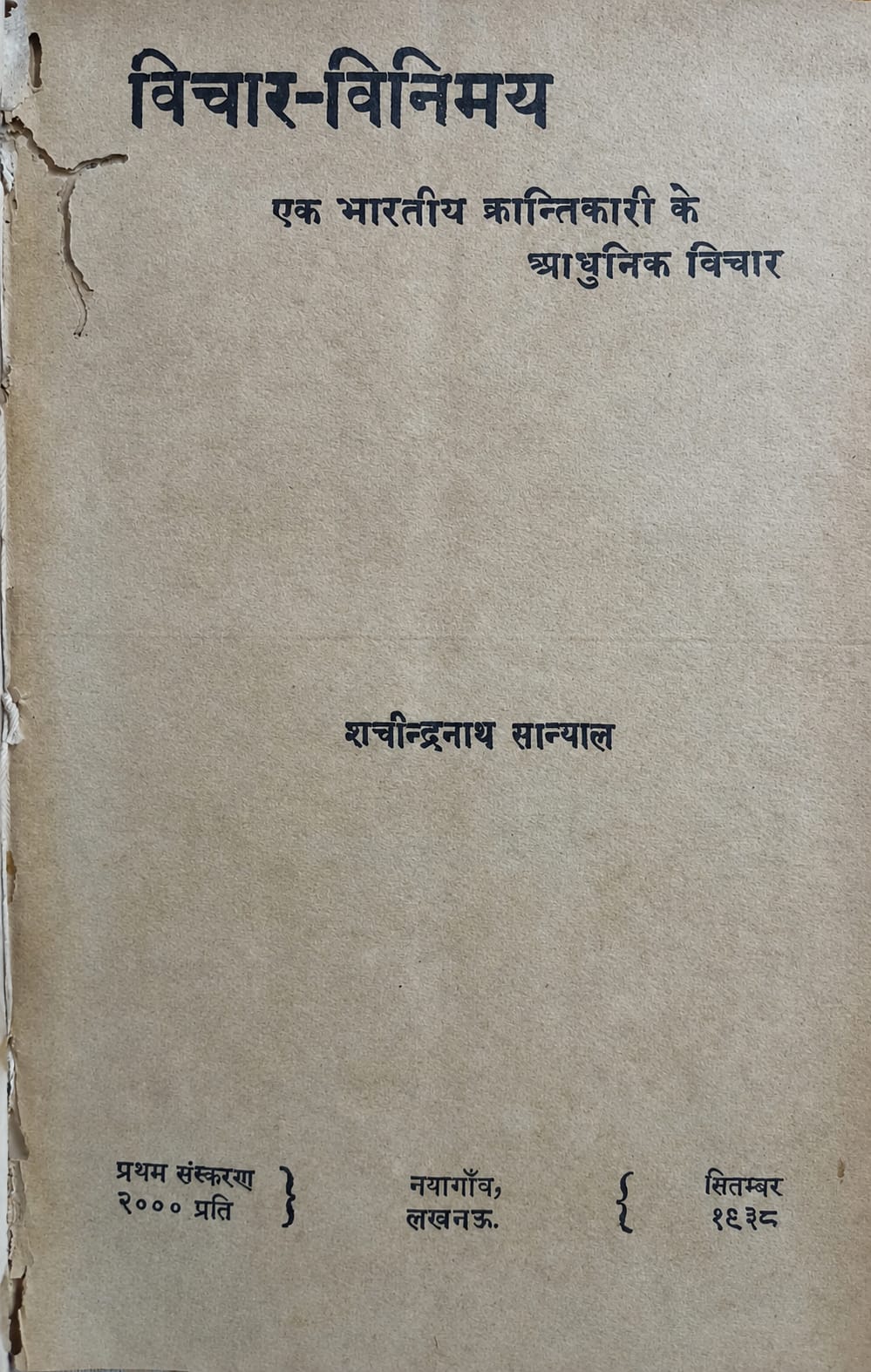
Review Title: Vichar Vinimay: Ek Bharatiya Krantikari Ke Adhunik Vichar. Book Author: Sachindranatha Sanyal. Reviewed by: Haripada Pahari. Article ID: KAB-V03-I01-2026-HP-001. Type: Book Review. Journal: Kathopokathan Atit O Bartaman. Volume 03 Issue 01 January June 2026. Publication Date: 30th June 2026. Language: English. Keywords: Book Review, Indian Revolutionary Movement, Political Thought, Intellectual History, Sachindranatha Sanyal, Vichar Vinimay.
📚 BOOK REVIEW
Title of the Book
:
Vichar Vinimay: Ek Bharatiya Krantikari Ke Adhunik Vichar
Author of the Book
:
Sachindranatha Sanyal
Reviewed by
:
Haripada Pahari
Publication date
:
30th June 2026
👁 View Book Review Details
Kathopokathan Logo

KATHOPOKATHAN - ATIT O BARTAMAN

DOUBLE-BLIND PEER-REVIEWED NATIONAL JOURNAL

Volume : 03, Issue : 01, (January - June) 2026

Published On 30th June 2026

ISSN : 3139-0730

CC
Article Id- KAB-V03-I01-2026-HP-001
Book Cover
BOOK REVIEW

Vichar Vinimay: Ek Bharatiya Krantikari Ke Adhunik Vichar

Author: Sachindranatha Sanyal

Reviewed by: Haripada Pahari

Research Scholar, Rabindra Bharati University


Review Details

Type of Review: Book Review

Title of the Book: Vichar Vinimay: Ek Bharatiya Krantikari Ke Adhunik Vichar

Author: Sachindranatha Sanyal

Edition: First Edition

Place of Publication: Charbagh, Lucknow.

Publisher: Published by author; printed by Rajrajeshwar Prasad Bhargava, Chairman—Oudh Printing Works.

Year of Publication: September 1938

Total Pages: 186

ISBN: No

Language: Hindi

Price: 1 Rupees

Reviewed by: Haripada Pahari

Designation: Research Scholar

Department: History

Institution: Rabindra Bharati University

Email: haripada.pahari@gmail.com

Conflicts of Interest: The reviewer declares no conflicts of interest.

Funding: No funding was received for the preparation of this book review.

Author Contributions: The author solely reviewed, analyzed, and prepared this book review.

Acknowledgements: The author has no acknowledgements to declare.

Review History: Received: 14th Jun 2026; Accepted: 19th Jun 2026; Published: 30 Jun 2026.

Author ORCID iD: Not Provided

Corresponding Author: Haripada Pahari (Email: haripada.pahari@gmail.com)

Review Focus Area: Indian Revolutionary Movement; Political Thought; Intellectual History

Review Language: English

SDG Focus: SDG 4: Quality Education; SDG 10: Reduced Inequalities; SDG 16: Peace, Justice and Strong Institutions; SDG 17: Partnerships for the Goals.

Copyright: © 2026 by the reviewer.

License: This work is licensed under a Creative Commons Attribution 4.0 International License (CC BY 4.0) https://creativecommons.org/licenses/by/4.0/

Published by: KATHOPOKATHAN – ATIT O BARTAMAN

Journal Website: https://kathopokathan.in/

Article URL: https://kathopokathan.in/article-06-2026/#KAB-V03-I01-2026-HP-001

Citation: Pahari, Haripada. (2025). Book Review of Vichar Vinimay: Ek Bharatiya Krantikari Ke Adhunik Vichar by Sachindranath Sanyal. Kathopokathan - Atit O Bartaman, VOLUME 03, ISSUE 01, pp. 1–5.

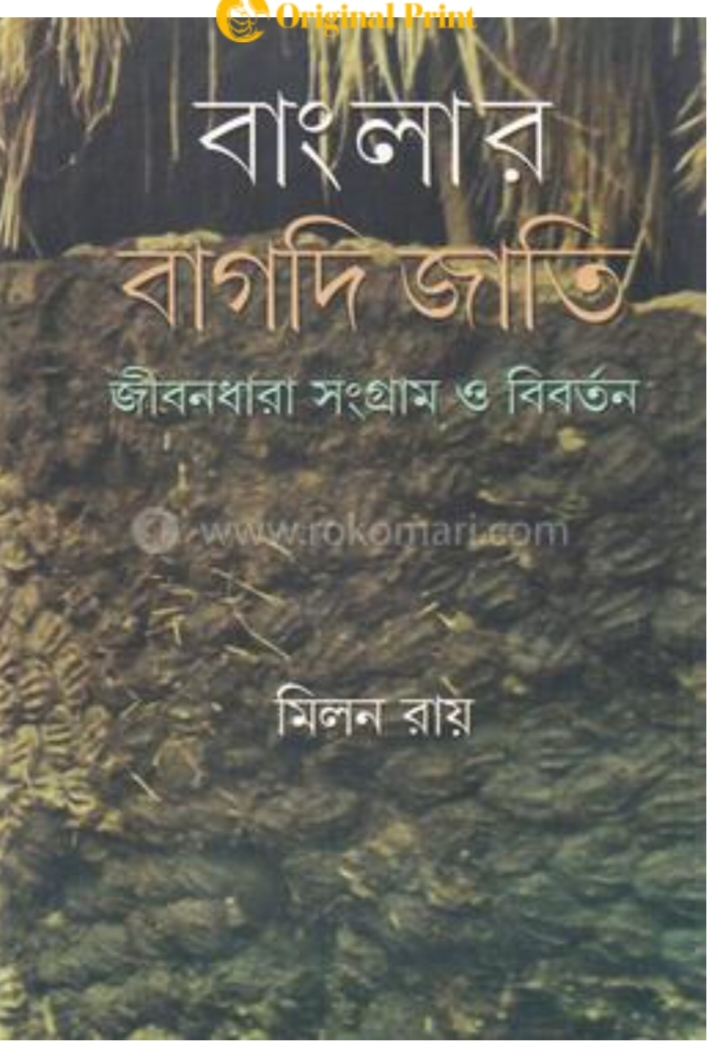
Review Title: A Book Review of Banglar Bagdi Jati: Jibandhara, Sangram O Bibartan By Milan Roy. Book Title: Banglar Bagdi Jati: Jibandhara, Sangram O Bibartan. Book Author: Milan Roy. Reviewed by: Dinesh Dalui. Article ID: KAB-V03-I01-2026-DD-012. Type: Book Review. Journal: Kathopokathan Atit O Bartaman. Volume 03 Issue 01 January June 2026. Publication Date: 30th June 2026. Language: English. Keywords: Book Review, Banglar Bagdi Jati, Milan Roy, Dalit Studies, Social History, Subaltern Historiography, Caste Studies, Bengal Studies.
📚 BOOK REVIEW
Title of the Book
:
Banglar Bagdi Jati: Jibandhara, Sangram O Bibartan
Author of the Book
:
Milan Roy
Reviewed by
:
Dinesh Dalui
Publication date
:
30th June 2026
👁 View Book Review Details
Kathopokathan Logo

KATHOPOKATHAN - ATIT O BARTAMAN

DOUBLE-BLIND PEER-REVIEWED NATIONAL JOURNAL

Volume : 03, Issue : 01, (January - June) 2026

Published On 30th June 2026

ISSN : 3139-0730

CC
Article Id- KAB-V03-I01-2026-DD-012
Book Cover
BOOK REVIEW

A Book Review of Banglar Bagdi Jati: Jibandhara, Sangram O Bibartan By Milan Roy

Book Author: Milan Roy

Reviewed by: Dinesh Dalui

Ph.D. Research Scholar, History Department, Sidho-Kanho-Birsha University


Review Details

Type of Review: Book Review

Title of the Book: Banglar Bagdi Jati: Jibandhara, Sangram O Bibartan

Author: Milan Roy

Edition: First Edition

Place of Publication: Kolkata.

Publisher: Gangchil

Year of Publication: 2021

Total Pages: 300

ISBN: 978-93-90621-90-3

Language: Bengali

Price: 550 Rupees

Reviewed by: Dinesh Dalui

Designation: Ph.D. Research Scholar

Department: History

Institution: Sidho-Kanho-Birsha University

Email: dineshdalui2017@gmail.com

Conflicts of Interest: The reviewer declares no conflicts of interest.

Funding: No funding was received for the preparation of this book review.

Author Contributions: The author solely reviewed, analyzed, and prepared this book review.

Acknowledgements: The author has no acknowledgements to declare.

Review History: Received: 30 May 2026; Accepted: 2nd Jun 2026; Published: 30 Jun 2026.

Author ORCID iD: Not Provided

Corresponding Author: Dinesh Dalui (Email: dineshdalui2017@gmail.com)

Review Focus Area: Dalit Studies, Social History, Subaltern Historiography, Caste Studies, Bengal Studies

Review Language: English

SDG Focus: SDG 1: No Poverty; SDG 4: Quality Education; SDG 10: Reduced Inequalities; SDG 16: Peace, Justice and Strong Institutions.

Copyright: ©2026 by the reviewer.

License: This work is licensed under a Creative Commons Attribution 4.0 International License (CC BY 4.0) https://creativecommons.org/licenses/by/4.0/

Published by: KATHOPOKATHAN – ATIT O BARTAMAN

Journal Website: https://kathopokathan.in/

Article URL: https://kathopokathan.in/article-06-2026/#KAB-V03-I01-2026-DD-012

Citation: Dalui, Dinesh. (2026). A Book Review of Banglar Bagdi Jati: Jibandhara, Sangram O Bibartan by Milan Roy. Kathopokathan - Atit O Bartaman, VOLUME 03, ISSUE 01, pp. 1–5.